The Ultimate Insider’s Guide to Dolphin Watching in South Devon
There is nothing quite like the thrill of seeing a sleek, dark fin break the surface of the ocean. If you are staying with us at Welcome Family Holiday Park, you are in a prime position to spot some of the UK’s most incredible marine life.
Over the last few seasons, dolphin sightings along the South Devon coast have soared. Instead of just lone travelers passing through, we are regularly tracking massive resident and migratory pods putting on spectacular displays right on our doorstep.
But if you want to see them, you need to know exactly where, when, and how to look. This isn’t textbook science—this is your local insider’s field guide to spotting Devon’s dolphins.
The Three Species You’ll Actually See
Forget what you’ve heard about exotic orcas – there are three main species that call the Devon coastline home.
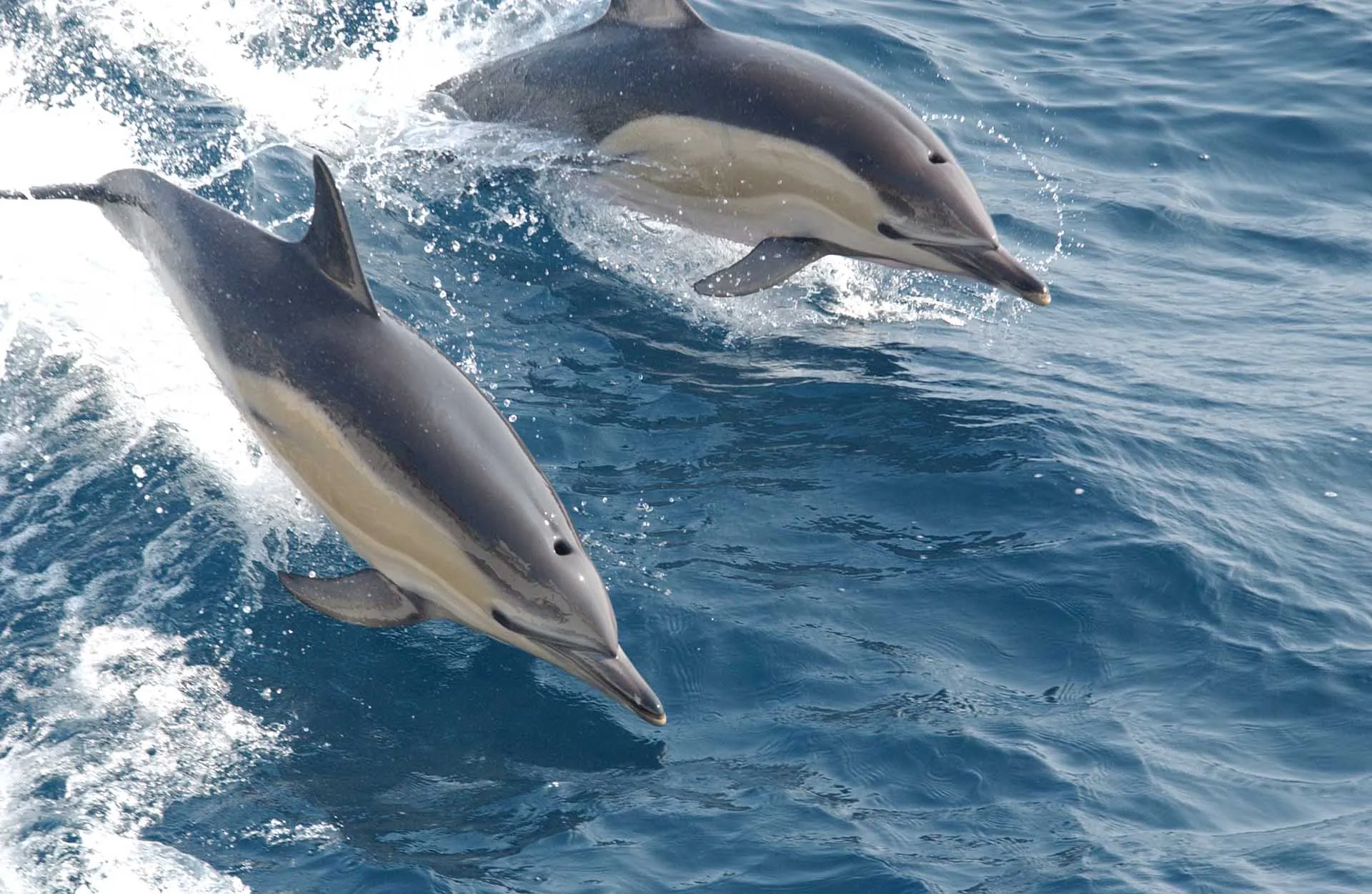
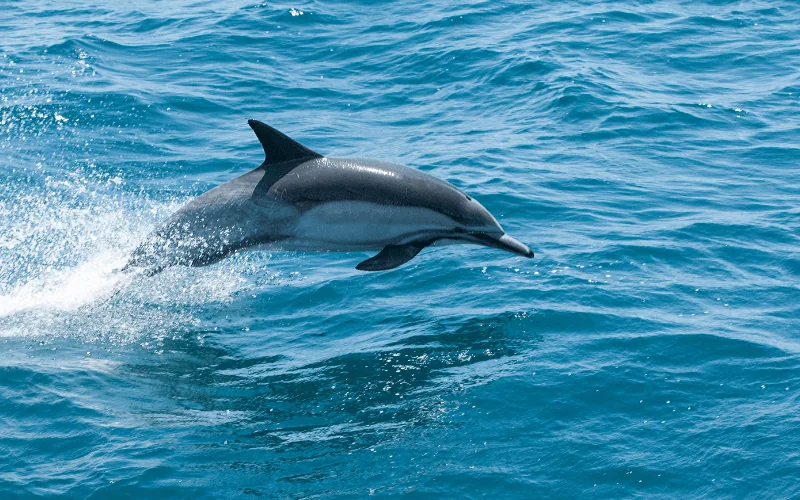
- The Short-Beaked Common Dolphin: These are the acrobats. They travel in large, highly energetic groups (sometimes up to 50 or more), love to leap clean out of the water, and will actively rush toward boats to ride the bow wave.
- The Bottlenose Dolphin: Much larger and stockier than Common dolphins, these are the classic grey dolphins you see in films. They tend to move in smaller family pods close to the shore.
- The Harbour Porpoise: Often mistaken for a dolphin, these are smaller, shy, and don’t skip or jump. Look for a small, triangular fin slicing rhythmically through the water like a tiny sewing machine needle.
The Best Land-Based Dolphin Hotspots Near Dawlish
You don’t necessarily need a boat license or a pair of sea legs to catch a glimpse of a pod. Some of the best vantage points are completely free and just a short distance from the park.

- Dawlish Warren & The Exe Estuary: You can spot dolphins right from the beach! Keep your eyes on the moving water where the river meets the sea. As the tide changes, baitfish get funneled through the gap, creating a natural fast-food drive-thru for hungry pods.
- Berry Head (Brixham): Located roughly 45 minutes south of the park, this limestone headland juts out into incredibly deep water. Because the deep water comes right up to the cliff face, it is widely considered one of the best land-based spots in the entire UK to see harbour porpoises and common dolphins close up.
- Hope’s Nose (Torquay): A stunning coastal walk that extends out into Torbay. It’s a popular angling spot because it’s teeming with mackerel—and where there are mackerel, the dolphins follow.
How to Guarantee the Best Chance of a Sighting
Spotting wildlife requires a bit of strategy. If you want to maximize your chances, use this step-by-step checklist before you pack your binoculars.
1. Check the Sea State:
Morning of your trip.
Look out at the water. If you see lots of white foam caps on the waves, it’s a ‘rough’ sea state. You want a day where the water looks like glass (Sea State 0 or 1). It makes finding a dark fin incredibly easy.
2. Time it with the Tide:
1-2 hours before High Tide.
Dolphins are smart hunters. They use the rising tide to push schools of fish into shallow bays and river mouths. Plan your watch for the two hours leading up to high tide.
3. Watch the Seabirds:
Keep eyes on the sky.
If you see a flock of gannets circling frantically and diving straight down into the water, head there immediately. The birds are attacking a bait ball from above, meaning dolphins or seals are likely driving the fish up from below.
4. Scan Authentically:
Use the ‘Horizon Scan’.
Don’t look through your binoculars constantly – it limits your field of view. Scan the horizon with your naked eye looking for splashes or disturbances, then use your binoculars to zoom in once you spot activity.
Take a Guided Marine Wildlife Cruise
If you want to get out on the water, the safest and most ethical way to do it is with a registered local tour operator. Ethical boats follow a strict code of conduct: they never chase or corner a pod, keeping their distance and letting the dolphins choose to approach them.
Departing from Brixham:
- Boatsafari: Operates bespoke marine wildlife sea safaris and bay cruises. They regularly search the waters of Torbay and Lyme Bay for dolphins, seals, and porpoise
- Go Boat Trips: Offers highly specific excursions like the Sunrise Dolphin Explorer Cruise, which departs from Brixham Harbour early in the morning and cruises along Torbay in search of dolphins, seabirds, and seals.
Departing from Exmouth:
- Stuart Line Cruises: While primarily known for their River Exe and Jurassic Coast sightseeing, their multi-award-winning summer coastal cruises frequently venture out where marine wildlife – including pods of common and bottlenose dolphins – can be spotted.
Help Protect Our Marine Life
Every single sighting matters. If you are lucky enough to photograph or film a dolphin during your stay at Welcome Family, you can become a citizen scientist.
Download the free Sea Watcher App (run by the Sea Watch Foundation) or check in with local groups like Torbay Marine Conservation. By logging the time, location, and approximate numbers of your sighting, you help marine biologists track migration changes and protect our local coastline for generations to come.
Share your dolphin photos with us
Send a your dolphin photos via a message to our Facebook page and let us know where you spotted them and we’ll feature your best photos.
The perfect spot for dolphin watching
Welcome Family Holiday Park is in a prime location for all things aquatic, including dolphin watching. Have a look at our selection of accommodation and book today.

Dolphin or Porpoise?
Smaller dolphins like the Bottlenose dolphin and the Common dolphin are the varieties you are most likely to see when you go dolphin spotting. The Bottlenose dolphin is familiar to us all – grey in colour, permanent smile. If you go out on a boat, you may see these friendly water-beings splashing and playing in the boat’s wake, or swimming alongside and performing acrobatics for their human spectators.
The Common dolphin is a little more streamlined, like a torpedo, and is black on top with some yellow, white and grey. Again, they are a particularly playful bunch and travel around in groups of fifty to a hundred. They are seen all year round in the seas around Devon.
The most common cetacean in our coastal waters is the Harbour Porpoise. It looks a little like a dolphin, but is actually the Northern Hemisphere’s only porpoise. They are much shyer than dolphins and don’t go in for much jumping and splashing, but, with a careful eye, you are more likely to spot one of these than any other whale or dolphin.

Spotting a Killer Whale
If you’re extremely lucky, you may see the largest variety of dolphin – the famous Killer Whale or Orca. They do very occasionally come into Devon’s coastal waters. They travel in pods of up to twenty individuals and are extremely active and playful in the water – breaching and spraying water into the air and exhibiting all manner of dolphin-like high-jinx.
The truth is that relatively little is known about any of these fabulous marine mammals, and it’s difficult even for dedicated marine biologists to keep track of their numbers and behaviour. If you find that you seem to have a knack for spotting them or have just had a lucky encounter, the Devon Wildlife Trust would love to hear from you.
Seeing a dolphin or whale is an experience like no other, and should probably be on your bucket list if it isn’t on there already! And what could be better than combining a holiday in beautiful South Devon with spotting some of the most intelligent and playful creatures on Earth?
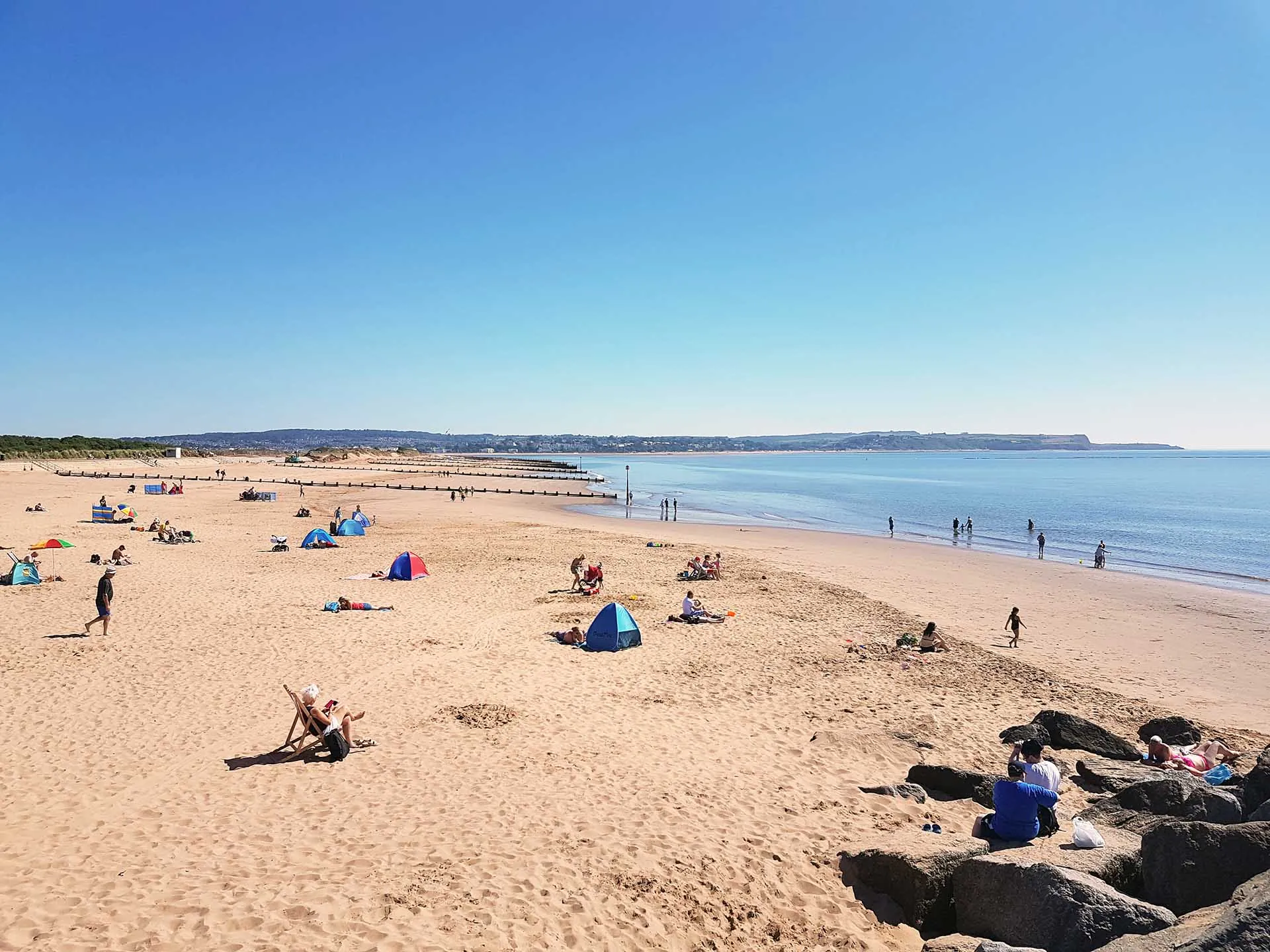
Explore Local Beaches
With over 120 miles of beautiful coastline, some of the best beaches in England are on the South Coast. Take your pick from a stunning selection of seafronts and enjoy the very best seaside day trips Devon has to offer.